
Uncategorized
The Power of Stillness in Motion: Mastering Yijin Xisui Jing for Mindful Living
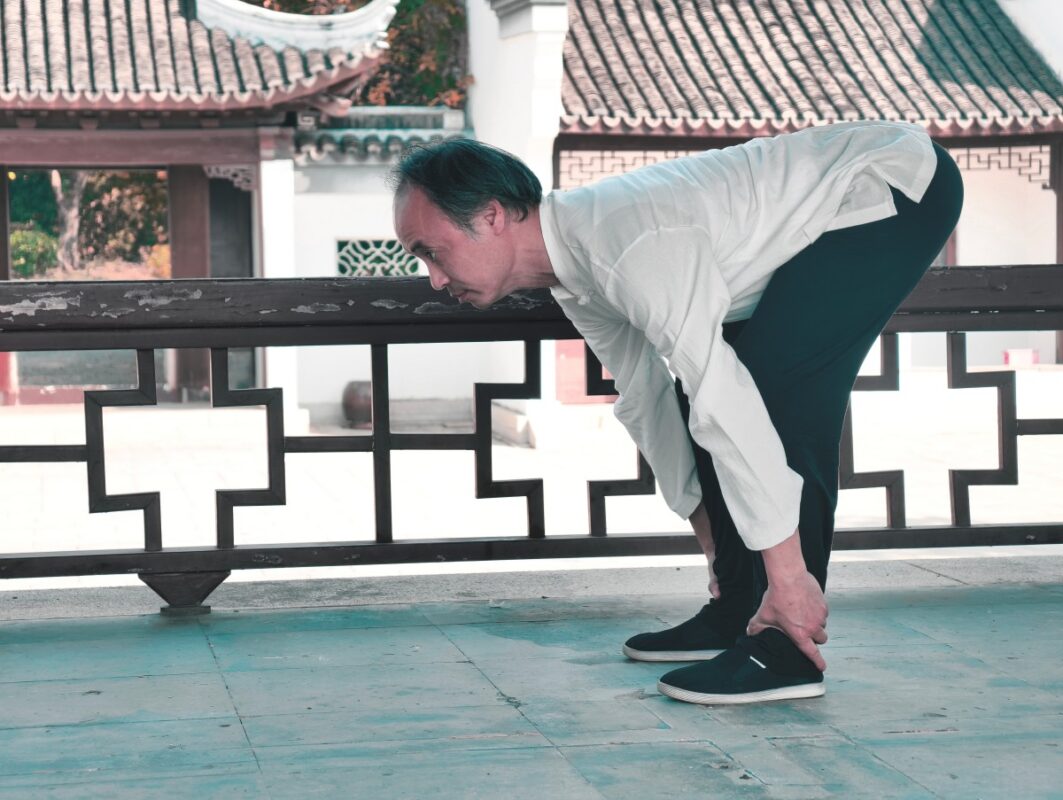
Jun
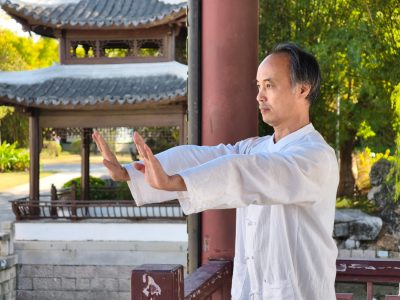

For over 30 years, I’ve guided students from around the world through Yijin Jing (Muscle and Tendon Transformation) and Xisui Jing (Marrow Washing Practice). Many come seeking physical results—more strength, flexibility, or vitality—and they achieve it. But the deeper transformation isn’t in the movement itself; it’s in the stillness hidden within motion.
The Core Principle: Dynamic Stillness
In Western fitness culture, we often measure progress by achievement: how far we can stretch, how deep we can squat, or how perfectly aligned a pose is. We push, we strain, and focus solely on “doing.” I’ve been there, too—and I’ve felt the body drain and the mind grow restless.
Ancient teachings of Yijin Xisui Jing offer a different approach: movement and stillness are mutually rooted. Every motion is anchored in calm awareness, and every pause carries energy and intention.
This principle—sometimes called Dynamic Stillness—ensures that your physical actions are never detached from your internal state. Breath, posture, and energy flow are always aligned.
From “Doing” to “Being”: A Practical Example
Consider a simple arm raise. A typical approach might be: “Lift. Stretch. Hold. Done.” Breath is secondary, and the mind is already looking forward.
Through the lens of somatic mindfulness:
Find Your Ground – Connect with your center. Feel your feet rooted, spine lengthening, and take a deep belly breath. Awareness centers in your Dantian, the energetic core just below the navel.
Lead with Intention (Yi), Not Force – Lift your arm guided by the mind and energy (Qi), not muscle tension. Movements are fluid, not forced.
Connect Breath and Motion – Inhale as the arm rises, letting energy flow from your core to fingertips. Exhale as you lower it, maintaining calm presence.
Pause in Stillness – At the apex of the movement, pause briefly. This isn’t rigidity; it’s a moment of vibrant stillness where breath and awareness deepen integration.
This approach transforms a simple stretch into a moving meditation.
The Science of Mindful Motion
Even without claiming medical effects, modern research supports similar principles:
Neuromuscular Integration: Coordinating breath, movement, and focus improves motor control and body awareness.
Parasympathetic Engagement: Slow, mindful movement activates the “rest and digest” nervous system, encouraging calm focus and energy efficiency.
Energy Conservation: By avoiding rushed or fidgety effort, you preserve your intrinsic vitality and mental clarity.
The outcome is smooth, powerful, and mindful movement, along with greater mental resilience.
How to Begin
You don’t need to memorize classical texts. Start small:
Dynamic Movements: Focus on energy radiating from your core, warming your joints and muscles.
Static Postures: Pay attention inward, feeling the skeleton rooting into the ground. Let breath guide subtle shifts in posture.
Even short daily sessions—5 to 10 minutes—cultivate a deep connection between mind, breath, and body.
Embracing Stillness in Motion
“Stillness in motion” isn’t just a technique; it’s a way of living. Each movement becomes an exploration of your inner landscape, and each pause becomes an opportunity to root in calm awareness.
To my students in the West: stop rushing through the movement. Start dwelling in it. The true strength isn’t in the motion itself—it’s in the quiet force that sustains it.
May your body flow, your mind settle, and your breath guide every action.
Eon Zhi
Senior Instructor, Yijin Jing & Xisui Jing
